June 1st marks the official start of Atlantic hurricane season, and for Broussard and Youngsville residents, that means six months of vigilance. While we hope for a quiet season, Louisiana’s location on the Gulf Coast means we must always be prepared for the worst.
Your vehicle is one of your most valuable assets—and potentially your lifeline during an evacuation. Yet many southern Lafayette Parish families don’t think about their cars until a storm is already approaching, and by then it’s often too late to take proper precautions.
As a family-owned auto body shop serving Broussard and Youngsville for over 40 years, we’ve weathered many hurricane seasons with our community. We’ve seen the damage storms can cause to vehicles—and we’ve learned what works to protect them. Here’s your complete guide to hurricane preparedness for your vehicle.
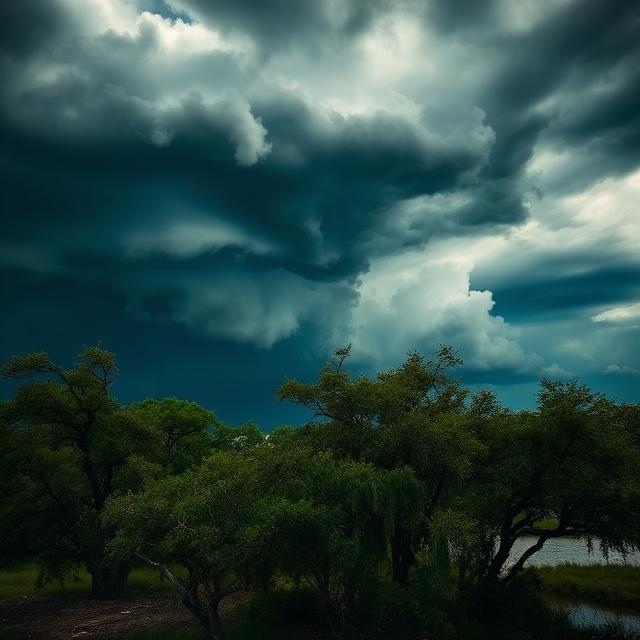
Why Vehicle Preparation Matters
Hurricanes threaten vehicles in multiple ways, and Broussard and Youngsville drivers need to be ready for all of them:
Flooding and Water Damage
Even a few inches of water can damage your vehicle’s electrical systems, interior, and mechanical components. Total water submersion often means a total loss. Louisiana’s flat terrain and proximity to water make flooding a primary concern during hurricanes.
Wind and Flying Debris
Hurricane-force winds turn tree limbs, signs, and outdoor furniture into projectiles. Even tropical storm winds can cause significant damage to vehicles left exposed.
Evacuation Breakdowns
Breaking down during evacuation is dangerous and can leave you stranded in the path of a storm. Your vehicle must be in top condition when you need it most.
Post-Storm Recovery
After a hurricane, your vehicle may be your only way to check on property, get supplies, or commute to work while infrastructure recovers. Protecting it now means mobility later.
Before Hurricane Season: May Preparation
Don’t wait until a storm is in the Gulf. Take these steps now, before hurricane season begins:
Get Your Vehicle in Top Condition
✓ Full mechanical inspection – Address any issues now while shops aren’t overwhelmed
✓ Check all fluids – Oil, coolant, brake fluid, transmission fluid
✓ Test battery – Replace if it’s more than 3 years old in Louisiana heat
✓ Inspect tires – Good tread is essential for wet evacuation routes
✓ Fill up gas tank – Keep it at least half full throughout hurricane season
Address Body Damage Now
If you have existing dent repair or paint work needed in Broussard or Youngsville, get it done before hurricane season. Storm damage is more severe when your vehicle already has compromised paint or structural issues. Plus, auto body shops in Lafayette Parish get extremely busy after storms—you could wait months for repairs.
Document Your Vehicle’s Condition
• Take photos and video of your vehicle from all angles
• Document the VIN, mileage, and condition
• Store this documentation digitally (cloud storage, email to yourself)
• Review your auto insurance policy and understand your coverage
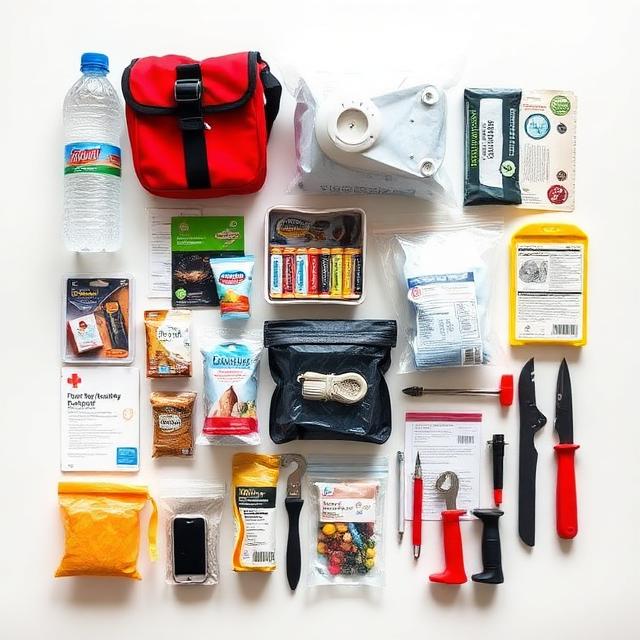
Create a Vehicle Emergency Kit
Keep these items in your vehicle throughout hurricane season:
• Water (one gallon per person)
• Non-perishable food
• First aid kit
• Flashlight and extra batteries
• Phone chargers (car and portable battery)
• Important documents (insurance cards, ID copies, medical info)
• Cash (ATMs may not work after storms)
• Blankets and extra clothing
• Basic tools and duct tape
When a Storm Approaches: 72-Hour Preparations
When a hurricane enters the Gulf of Mexico and threatens southern Louisiana, you have limited time to prepare:
Immediate Vehicle Actions
✓ Fill your gas tank completely – Gas stations may run out or lose power
✓ Charge your phone and portable chargers
✓ Check tire pressure
✓ Top off all fluids
Protect Your Vehicle if Staying
If you’re not evacuating and plan to shelter in place in Broussard or Youngsville:
• Park in a garage if possible
• If no garage: park away from trees, power lines, and structures that could collapse
• Park on the highest ground available
• Face the vehicle front into the wind (most structural strength in front)
• Consider using a car cover (only if it can be properly secured)
• Move all outdoor items that could become projectiles
Evacuation Planning
If evacuation is ordered or recommended:
• Leave early – Traffic will be terrible closer to landfall
• Know your evacuation route from southern Lafayette Parish
• Have backup routes planned
• Bring important documents, medications, and irreplaceable items
• Never drive through flooded roads – Turn Around, Don’t Drown
After the Storm: Assessing Vehicle Damage
Once the storm passes and it’s safe to go outside, carefully inspect your vehicle:
Check for Water Damage
• DO NOT start a flooded vehicle – Water in the engine can cause catastrophic damage
• Look for water lines inside and outside the vehicle
• Check for mud or debris in the engine compartment
• If water reached the floor, contact your insurance immediately
Document All Damage
• Take extensive photos and video before touching anything
• Document all dents, scratches, broken glass, or structural damage
• Note any nearby debris that may have caused damage
Contact Your Insurance
Report damage to your insurance company as soon as possible. After major hurricanes, adjusters get overwhelmed, so early reporting helps you get in the queue. Comprehensive coverage typically covers hurricane damage to vehicles.

Post-Hurricane Repairs in Broussard and Youngsville
After a hurricane, auto body shops in southern Lafayette Parish become extremely busy. Here’s what to expect and how to prepare:
Common Hurricane Damage We Repair
• Wind and debris damage (dents, broken glass, scratches)
• Hail damage
• Falling tree limb impact
• Flying debris punctures and paint damage
• Flood-related corrosion (if caught early)
What We Can’t Fix
Vehicles with significant water intrusion often can’t be repaired cost-effectively. If water reached the dashboard or engine, your vehicle may be totaled by insurance. This protects you—water-damaged vehicles have ongoing electrical and mechanical problems that make them unsafe and unreliable.
Expect Delays After Major Storms
After hurricanes, demand for collision repair in Broussard and Youngsville skyrockets. Wait times can stretch to weeks or months. File your claim quickly, get estimates early, and understand that everyone is dealing with the same challenges.
Prepare Now, Weather the Storm Later
Hurricane season runs through November 30th. That’s six months of vigilance, preparation, and—hopefully—dodging storms. The best time to prepare your vehicle was yesterday. The second-best time is today.
If you have existing damage that needs attention, or if you want a professional assessment of your vehicle’s condition before storm season, stop by our shop in southern Lafayette Parish. We’ll provide a free estimate and honest advice about what needs attention.
After serving Broussard, Youngsville, and the greater Lafayette area through more than 40 hurricane seasons, we understand what our community needs. We’re here before, during, and after the storms—your neighbors and your partners in recovery.
Stay safe, stay prepared, and we’ll weather this season together.
Your trusted collision repair partner in southern Lafayette Parish since 1984.